
Practical guide

What do contractors really need
before working in Germany?

Understand the difference between legal requirements and what German clients actually expect before your team enters a project.

Meeting the legal minimum does not automatically mean project readiness.

What is administratively sufficient may still not be enough for Baustelle access, onboarding or industrial projects.

  • Practical support for contractors entering Germany
  • Real Baustelle and industrial project experience
  • Support for Czech, Polish, Romanian, Slovak and Hungarian teams
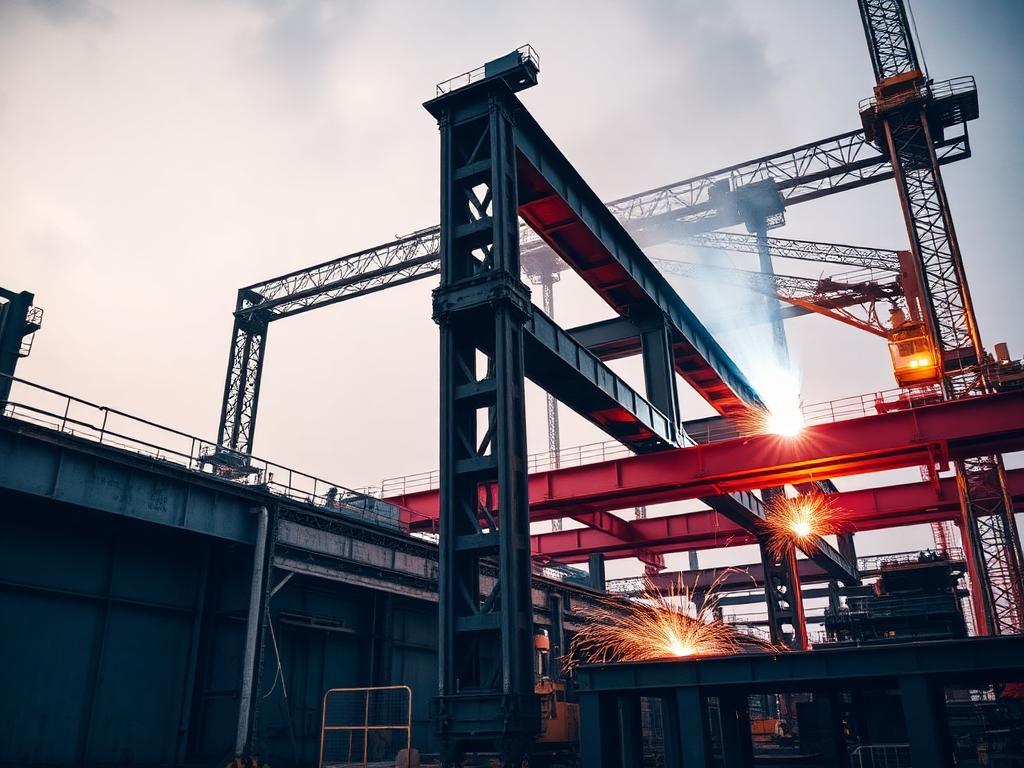
German refinery – preparing for project entry
Reality of German projects

Meeting the legal minimum does not automatically mean you are ready for a German project.

An important difference

Legal obligation vs. client requirements

Two different layers that companies often confuse. Both must be handled, but they are enforced by different actors with different consequences.

What is usually legally required

What is usually legally required

EU and German administrative requirements

  • A1 form
  • Posting of workers (EU rules)
  • Health insurance
  • Employment / contractual relationship
  • Minimum working conditions
What German clients often require

What German clients often require

Project, onboarding and practical HSE requirements

  • Project / Baustelle onboarding
  • Gefährdungsbeurteilung (risk assessment)
  • Unterweisung (safety instruction)
  • PPE matrix and equipment check
  • Working at heights — qualifications
  • Toolbox Talks and safety instructions
  • Complete onboarding documentation

Not legally mandatory does not mean not required for project access.

Real situations

What you need depending on the form of cooperation

Each of these situations has a different legal basis and different typical client requirements.

1

I go as a company employee

Legal basis
  • A1
  • Employment relationship
  • Posting of employee
  • Health insurance
  • Working conditions
Frequently requested by the client
  • Onboarding
  • PPE
  • Work at heights
  • Safety requirements
  • Safety instructions
Typical project issue: “We had A1, but the client still requested onboarding and additional documents.”

2

I go as a sole trader (single person)

Legal basis
  • A1 for sole trader
  • Active business
  • Contractual relationship
  • Invoicing
  • Health insurance
Frequently requested by the client
  • Onboarding
  • Professional qualifications
  • PPE
  • Work at heights
  • Safety documentation
Important: some project setups may increase the risk of hidden employment (Scheinselbstständigkeit).
3

Company with employees

Legal basis
  • Employees' A1
  • Posting of workers
  • Work documentation
  • Minimum wage
  • Working time
  • Occupational safety
Frequently requested by the client
  • Gefährdungsbeurteilung
  • Unterweisung
  • PPE matrix
  • Onboarding package
  • Toolbox Talks
  • Project documentation
Frequently requested by German industrial clients: Gefährdungsbeurteilung, Unterweisung, PPE matrix, onboarding package.
4

Group of sole traders under one company

Legal basis
  • Each their own A1
  • Own business
  • Contractual relationship
Frequently requested by the client
  • Who manages the work
  • Working time
  • Tools and equipment
  • Invoicing relationships
One of the most frequently reviewed cooperation models during inspections.
Project reality

Meeting legal minimum requirements does not automatically mean project readiness.

In Germany you can be stopped by someone completely different from what companies usually expect. Different actors check different things.

Administrative and legal

What authorities and inspections check

  • A1 and social insurance
  • Posting of workers
  • Legality of work
  • Minimum wage (MiLoG)
Client / Baustelle / HSE

Client / Baustelle / HSE requirements

  • Occupational safety and PPE
  • Onboarding for the specific project
  • Complete HSE documentation
  • Practical team readiness

Legal minimum does not automatically mean your team is ready for a German project.

From practice

Most common mistakes companies make when working in Germany

“We had A1 — but still could not enter the site.”

A1 is the basis, but the client on site deals with a different layer — safety and onboarding.

“Nobody checked what the German client actually required.”

Companies arrive with their own paperwork — and only at the gate find out what is actually missing.

“Without onboarding the team was denied access.”

Onboarding is often a condition of entry even when the legal minimum is met.

“Workers formally passed training but did not understand the instructions.”

Unterweisung in German without translation = formally trained, practically not.

“The project stopped because documents were missing.”

One day of crew downtime = thousands of euros. Usually it's just a few missing documents.

“Generic documents did not pass HSE review.”

Templates from the internet usually do not pass the HSE departments of large clients.

Consequences

Project delay · no site access · crew downtime · financial losses · loss of client.

FAQ

Frequently asked questions

What is usually legally required vs what clients require?+

The legal layer (A1, posting, MiLoG, ArbSchG) comes from EU and German law. The client layer (onboarding, Gefährdungsbeurteilung, Unterweisung, PPE, qualifications) is set by refineries, HSE departments and general contractors and usually decides actual project access.

Who checks what in Germany?+

Authorities (e.g. Zoll) check legality of work, A1 and MiLoG. The client, Baustelle and HSE department check safety, onboarding, qualifications and practical readiness of the team.

Is A1 enough to start work?+

For EU posting A1 is the basis but alone is usually not enough. The client or Baustelle typically also requires safety documentation, onboarding and qualification records.

Can a German client reject our documentation?+

Yes. HSE departments of large clients often reject generic internet templates. They require project-specific Gefährdungsbeurteilung, Unterweisung and onboarding.

What happens if we are denied access to the Baustelle?+

The most common cause is missing or incomplete onboarding documentation. The solution is to quickly add the required documents — ideally with the support of an HSE practitioner.

Does every project require onboarding?+

On industrial projects (refineries, chemicals, energy) project onboarding is effectively the standard. Smaller sites may use a simplified version, but you rarely get on a Baustelle without any onboarding at all.

What do I need to work in Germany?+

It depends on the form of cooperation. For both employees and sole traders, the A1 form, proof of health insurance and an employment / contractual relationship are typically needed. The client additionally often requires onboarding, Gefährdungsbeurteilung, Unterweisung, PPE and qualification records.

Does a company need a Gefährdungsbeurteilung?+

In Germany, the risk assessment (Gefährdungsbeurteilung) is the employer's duty under ArbSchG. In practice, the client requires it almost always before project entry.

Not sure?

Not sure if your team is ready for Germany?

Every project in Germany may have different requirements. We help contractors understand what is legally required, what clients often request and what may prevent project access.

Up to 5 files, max 5 MB each (PDF, JPG, PNG, WEBP).

By submitting you agree we may contact you about your project. We never share your data.